
Advanced Architectural Glazing: Elite Safety Glass Solutions for Manhattan High-Rises
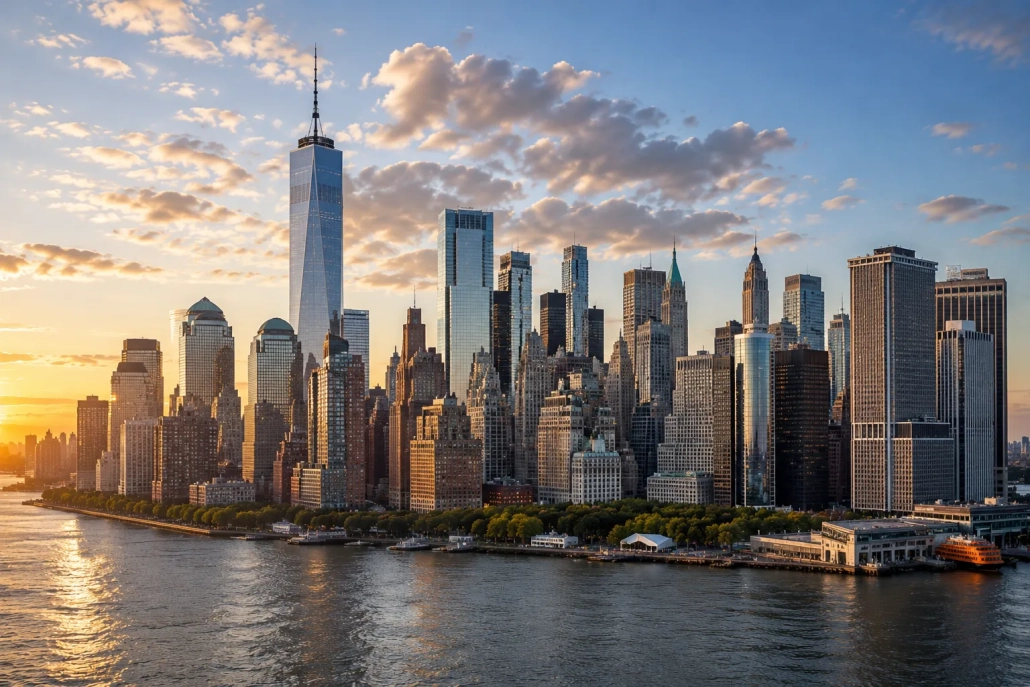
Manhattan buildings do not sit quietly. They flex. They breathe against wind pressure. Elevators hum through steel cores all night long while winter air presses against forty-story curtain walls like the city itself is testing the structure personally. Dramatic? Slightly. But high-rise glazing really does live under constant stress.
That is why ordinary glass has no place in premium towers, penthouses, or commercial facades here. Serious projects demand engineered systems designed for thermal movement, acoustic control, structural loading, and optical precision all at once. A complicated balancing act.
Modern Manhattan architectural glass solutions combine heavy-duty lamination, precision tempering, and advanced coatings to create glazing systems capable of surviving extreme urban conditions without sacrificing clarity or elegance. The glass almost disappears sometimes. Then the sunlight hits it sideways at dusk and suddenly the whole building glows like chilled silver.
Key Takeaways
- Laminated high-rise systems absorb wind pressure while reducing exterior city noise.
- Premium tempered glass NYC installations provide ultra-clear visuals without the green tint common in lower-grade panels.
- White-glove installation methods help luxury projects comply with Manhattan structural and safety regulations.
What Defines Manhattan-Grade Technical Glazing?
High-rise glazing in Manhattan is more than just strong glass. That phrase gets tossed around by people who have never watched engineers argue over load tolerances for three hours straight.
True structural glass engineering NYC projects involve multi-layered assemblies specifically designed to manage:
- Wind-load deflection at high elevations
- Thermal expansion during severe temperature swings
- Acoustic dampening from urban traffic noise
- Impact resistance and occupant safety requirements
Most elite systems combine tempered exterior panels with laminated interlayers like SentryGlas or PVB composites. These internal layers help distribute force while keeping fractured glass bonded together if impact occurs. Which is important. Gravity in Manhattan feels unusually motivated.
High-spec glazing often includes:
- Low-iron ultra-clear glass for luxury aesthetics
- Heat-soaked tempered panels for additional reliability
- Precision CNC fabrication with microscopic tolerances
- Structural silicone glazing systems
- Oversized engineered panels for uninterrupted skyline views
And the tolerances here are brutal. Tiny dimensional inconsistencies become major installation failures once panels reach upper elevations. A sixteenth of an inch suddenly matters very deeply. Architects pretend to stay calm about it. Usually unsuccessfully.
The Severe Risks of Disregarding High-Rise Wind and Thermal Loads
Glass behaves differently at elevation. Wind pressure intensifies. Thermal cycling becomes more aggressive. Constant solar exposure creates uneven expansion patterns across facades. None of this is especially forgiving.
Improperly engineered systems can develop:
- Stress fractures near anchoring points
- Optical distortion under pressure loads
- Seal deterioration from thermal cycling
- Dangerous panel instability during storms
In Manhattan, these failures become legal liabilities almost instantly. Building boards, insurance carriers, inspectors — everybody suddenly becomes very interested in glazing specifications after an incident occurs.
Cheap systems also struggle acoustically. And sound matters here more than outsiders realize. A luxury penthouse beside Midtown traffic without proper laminated acoustic glazing? Brutal. You hear sirens inside your own thoughts.
That is why experienced developers invest heavily in high-strength laminated glass Manhattan projects instead of treating glazing as decorative surface work. Structural performance comes first. The elegance arrives afterward almost accidentally.
The Way High-Performance Glass Enhances Building Efficiency
Good architectural glass does more than resist impact. It changes how a building behaves environmentally.
Advanced glazing systems combining laminated safety construction with Low-E coatings help reduce:
- Solar heat gain during summer months
- HVAC workload across large office floors
- UV damage to furniture and finishes
- Interior glare without sacrificing daylight
Large Manhattan commercial properties especially benefit from this efficiency. Cooling costs in glass-heavy towers become astronomical surprisingly fast. One facade decision can affect operating budgets for decades.
Modern Manhattan architectural glass solutions also improve occupant comfort by stabilizing indoor temperatures near window walls. No more freezing conference rooms beside panoramic glass elevations. People stop fighting over thermostats eventually. Well. Slightly less often.
Request an architectural consultation with a senior glass engineer before finalizing facade specifications or structural glazing layouts. Early coordination prevents expensive redesigns later.
Investment Levels for Custom Engineered Glass
High-rise glazing exists in a completely different pricing category from standard commercial glass systems. Specialized fabrication, engineering analysis, insurance requirements, and installation logistics all affect total investment.
Major pricing factors include:
- Panel thickness and interlayer composition
- Structural anchoring complexity
- Crane or hoist logistics in Manhattan
- Custom coatings and optical specifications
- Building access restrictions and labor coordination
And then there is insurance. Manhattan glazing contractors handling oversized suspended panels carry massive liability coverage for obvious reasons. Nobody wants a six-hundred-pound laminated unit swinging above Fifth Avenue traffic during installation. Extremely memorable day for all involved.
Selecting an Insured Glazing Specialist in Manhattan
Not every contractor is qualified for high-rise structural glazing. Honestly, not even close.
Professional teams handling structural glass engineering NYC projects should possess:
- Multi-million dollar liability coverage
- Extensive Manhattan board approval experience
- Engineering coordination capabilities
- Certified fabrication partnerships
- Specialized urban logistics planning
Luxury buildings often require detailed COIs, scheduling coordination, elevator reservations, sidewalk permits, and union compliance before installation even begins. Half the project feels administrative. The other half feels like precision surgery with giant transparent panels.
Book an enterprise project estimate with a fully insured Manhattan glazing specialist before committing to fabrication schedules.
Conclusion
Manhattan architecture demands more from glass than almost any environment in the country. Extreme wind exposure. Constant vibration. Dense urban acoustics. Intense aesthetic expectations. The material has to perform structurally while looking effortless. Difficult combination.
Elite tempered and laminated glazing systems provide the strength, clarity, and code compliance necessary for modern luxury towers, penthouses, and commercial developments throughout New York City.
This week, GlassFactory.pro offers a complimentary engineering review for architectural blueprints submitted for upcoming commercial or high-rise glazing projects.
FAQ
What is SentryGlas and when is it required in Manhattan?
SentryGlas is a high-performance structural interlayer used inside laminated glass assemblies. It provides increased stiffness, impact resistance, and post-breakage stability for demanding high-rise applications.
How does structural glass handle extreme wind pressures?
Engineered glazing systems distribute wind loads through tempered panels, reinforced interlayers, and precision anchoring systems designed specifically for high-rise conditions.
What are the STC sound dampening metrics for laminated high-rise glass?
Acoustic laminated glazing can significantly improve STC ratings, reducing traffic, siren, and city noise inside luxury residential and commercial spaces.
Are your custom glazing systems certified by NYC building departments?
Professional high-rise glazing systems are fabricated and installed according to NYC code requirements and applicable structural safety certifications.
Can you provide custom glass calculations for engineers?
Yes. Specialized glazing contractors regularly provide engineering calculations, load analysis documentation, and technical specifications for architects and structural engineers.


Leave a Reply
Want to join the discussion?Feel free to contribute!